Upgrade Your Outdoor Area: Expert Garden Design Tips for a Gorgeous Home Landscape
Turning an outdoor space into a stunning home garden requires careful planning and deliberate action. By evaluating the features of a yard, homeowners can establish specific garden objectives. Selecting vegetation that suit the regional conditions is essential. Furthermore, integrating functional landscape features improves both visual appeal and usability. Yet, the process won't conclude there. Learning how to sustain beauty and sustainability can take any landscape to greater heights. What methods guarantee lasting results?
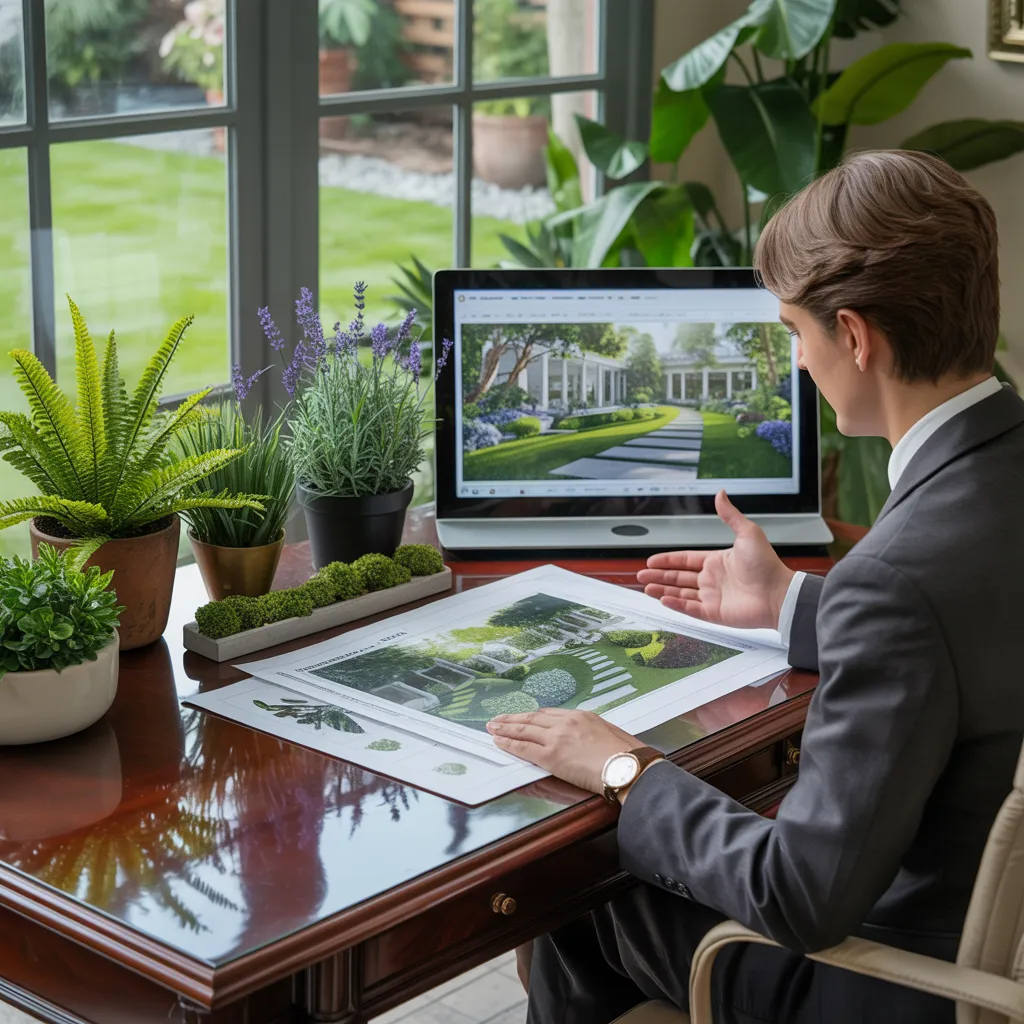
Analyze Your Yard to Set Your Landscape Design Goals
Before beginning any garden project, it is essential for residents to completely evaluate their outdoor space. This initial evaluation allows them to understand the unique features of their yard, including sun conditions, soil composition, and existing plants. Identifying these aspects supports in determining which types of landscape elements can be effectively incorporated into the space.
Homeowners should document dimensions and record any obstacles including vegetation, barriers, or pathways that could influence the layout. Additionally, recognizing personal preferences and lifestyle needs—such as entertainment spaces, gardening, or leisure—can direct the garden objectives. By specifically establishing these aims, homeowners set a strong base for a unified and practical exterior area. This careful assessment leads to a greater and satisfying garden renovation, guaranteeing the exterior environment improves not only the property's visual appeal but also fulfills the practical needs of its residents.
Pick the Ideal Plants for Your Area's Weather
Selecting ideal vegetation for a specific climate is critical for establishing a thriving outdoor space. Grasping local weather patterns, including temperature ranges, rainfall, and humidity, supports homeowners select vegetation that will thrive. Indigenous vegetation often adapt best, needing less upkeep and irrigation. As an instance, drought-resistant varieties are perfect for arid regions, while moisture-loving species thrive in humid climates.
Gardeners should also consider climate variations; selecting vegetation that offers continuous appeal improves the garden. Early bloomers, warm-season vegetation, and colorful autumn leaves can produce a dynamic visual experience. Additionally, speaking with regional nurseries or horticultural resources can provide helpful information into sturdy vegetation suited to specific conditions.
In the end, a well-planned plant selection enhances not just visual appeal but also promotes native fauna and supports environmental sustainability, which makes it a wise choice for any exterior area renovation.
Improve Your Garden Using Functional Hardscaping Features
Functional hardscaping elements serve as essential components in defining outdoor spaces and enhancing their usability. By incorporating seating areas and professionally planned walkways, homeowners can create inviting environments that encourage relaxation and movement. Additionally, edging can establish different zones within the garden, contributing organization and visual interest.
Create Your Garden Space
Creating a strategically planned outdoor space can transform a garden into an pleasant sanctuary. One reliable technique to achieve this is through practical landscape features, which establish structure and layout. Walkways made from natural stone or brick guide guests while adding visual interest. Support walls can create terraced heights, improving the landscape's visual impact and preventing soil degradation. Fencing or trellises can establish boundaries, providing privacy and a sense of enclosure. Adding elevated planting zones not only defines planting areas but also makes them more accessible. These elements function in unison to form separate areas that improve both visual appeal and try now practical use. Ultimately, a well-organized outdoor space fosters a serene environment where homeowners can relax and enjoy nature.
Add Resting Zones
Incorporating sitting zones into an exterior environment greatly enhances its usability and charm. By integrating functional hardscaping elements, homeowners can design welcoming areas for relaxation, socializing, or enjoying nature. Options include benches, patio sets, or hammocks, each enriching the landscape's visual appeal and pleasure. Deliberately positioning chairs near key features like garden beds or water installations, inspires visitors to interact with their outdoor setting. Additionally, using materials like stone or wood can match the landscape's aesthetic, ensuring a cohesive look. Shade structures, such as pergolas or umbrellas, deliver relief during summer seasons, making these areas usable year-round. Ultimately, well-designed seating areas elevate a standard yard into a welcoming retreat for relatives and guests.
Add Pathways And Edges
Borders and pathways function as important components in outdoor landscaping, moving visitors through the garden while improving its structural excellence. They encourage arrangement and movement, facilitating the distinction of various areas and plant choices. Brick, stone, or gravel options can build permanent passages, while borders derived from decorative screens or vegetation enhance decorative quality. Pathways can inspire discovery, drawing focus to features like planted zones or aquatic elements. Well-maintained borders minimize unwanted vegetation and landscape erosion, promoting garden vigor. When combined, pathways and borders increase functionality while enriching visual beauty of your garden, rendering locations more inviting and delightful.
Design Flow Through Pathways and Rest Areas
A well-planned garden setting typically includes a balanced circulation established through deliberately situated walkways and rest zones. Walkways direct guests across the garden, providing a definite sense of orientation while enriching the general visual quality. Selecting options such as wood, stone, or gravel can add to the walkway's aesthetic value and ensure longevity.
Seating zones supply stopping places, welcoming people to rest and savor the setting. Placing seating thoughtfully near key features, such as a pond or a garden bed, inspires connection with the landscape. The type of seating—stools, benches, or even recliners—may shape the feeling, whether it be informal or elegant.
Combining walkways and sitting spaces generates a warm environment, upgrading utility and contentment. In tandem, they construct a smooth flow between distinct areas of the garden, stimulating exploration and rest, ultimately reshaping any exterior setting into a calm escape.
Enhance Your Landscape With Seasonal Hues and Variety
To boost the decorative value of a garden, strategic selection of seasonal species is vital. Mixing contrasting surface qualities can establish dimension and appeal, while intentionally positioned centers of interest can grab focus and establish a harmonious arrangement. These components in combination promise a vibrant and active outdoor area across the year.
Pick Seasonal Plants Carefully
Picking season-specific plants carefully can transform any garden into a vibrant tapestry of color and texture. By opting for plants with varied blooming seasons, gardeners can ensure a perpetual floral display. Spring bulbs, summer color plants, autumn bloomers, and winter evergreens each provide distinctive colors and silhouettes to the landscape. It is crucial to factor in local climate conditions and soil types, as well as the plants' growth habits. Local native plants often flourish with reduced upkeep needs, promoting ecological diversity. Additionally, blending plants of assorted heights and flowering schedules can produce a striking visual impact. Ultimately, deliberate plant selection fosters a landscape that transforms seasonally, offering a delightful experience year-round.
Establish Multiple Textures To Generate Dimensional Appeal
Creating depth in a garden requires combining textures that support and improve seasonal hues. By using diverse plants with varied leaf forms, dimensions, and tones, one can achieve a visually dynamic landscape. For instance, pairing wide-leaved plants with delicate grasses can create contrast and intrigue. Additionally, integrating bark, stones, and other natural materials adds sensory touches that enrich the overall experience. Flowering plants need to be strategically positioned to provide bursts of color throughout the year, guaranteeing continued visual appeal. This careful design not only guides your gaze through the landscape but also creates an engaging environment where every detail contributes to the garden's beauty and harmony.
Add Focal Points Thoughtfully
Intentionally placing focal points can remarkably boost a garden's aesthetic quality and seasonal richness. These focal center elements provide anchors that attract the gaze and foster landscape unity. Gardeners can apply elements such as sculptures, ornamental trees, or vibrant flower beds to spark visual interest. Seasonal color can be infused through the selective planting of plants with alternating bloom cycles, ensuring that the garden remains dynamic throughout the year. Textures also hold importance; combining smooth stone paths with rough bark or lush foliage adds depth. By thoughtfully placing these elements, a gardener can create an inviting atmosphere that encourages exploration and appreciation, transforming an outdoor space into an engaging retreat.
Implement Responsible Practices to Cultivate a Vibrant Garden
Adopting environmentally-conscious approaches is essential for developing a healthy garden that grows in harmony with the natural world. Horticulturists are advised to use local botanical species, which demand reduced liquid and care while boosting community fauna. Adopting natural cultivation techniques, including compost creation and biological insect control, can significantly lower synthetic chemical use, fostering a stronger natural community.
Efficient water methods, such as efficient water delivery and collecting rainwater, boost eco-friendliness by enhancing resource efficiency. Applying mulch maintains soil water and also prevents unwanted plants, reducing the necessity for chemical weed control. Furthermore, promoting ecological diversity by including multiple plant types builds durability to insects plus pathogens.
Soil health is important; practices such as sequential planting and cover cropping keep nutrient levels without chemical fertilizers. By adopting such eco-friendly strategies, horticulturists can establish a vibrant space supporting vegetation and environmental health, producing a more rewarding gardening experience.
Resolve Common Issues to Sustain Throughout-the-Year Garden Appeal
A properly-cared-for outdoor space can face multiple difficulties year-round, influencing its combined beauty along with condition. Common issues encompass pest outbreaks, lacking minerals, and limited water. Detecting pests early is essential; gardeners should regularly check vegetation for visible harm along with manage pest problems with natural pesticides or else bringing in predatory insects.
Nutrient deficiencies commonly display as yellowing leaves and reduced growth. Doing soil tests can allow pin down particular demands, enabling to enable targeted fertilization to return equilibrium. Moreover, guaranteeing appropriate watering is essential; excessive watering can cause root rot, whereas too little water stresses vegetation.
Seasonal changes also require modifications to care. Throughout winter, mulch application protects root systems against cold, whereas warm months could necessitate higher water needs and shaded areas to protect fragile plants. Through addressing such standard difficulties promptly
Is it Better to Execute Garden Design Myself or Hire a Specialist?
Certainly, you can manage landscaping projects independently, utilizing digital tools and imagination. Nonetheless, engaging an expert guarantees skill, effectiveness, and potentially superior results, especially for complicated projects or substantial jobs requiring expert knowledge.
What Tools Are Required for Yard Landscaping?
Required implements for residential landscaping include a garden rake, garden shovel, spade, pruning shears, garden cultivator, and a garden hose or sprinkler can. These items assist efficiently manage ground, greenery, and overall garden maintenance, guaranteeing professional landscaping.
What Actions Should I Take to Maintain My Garden Area Across the Calendar Year?
To keep a garden area year-round, one should regularly trim garden plants, add wood mulch for protection, monitor hydration levels, and establish seasonal planting plans. Additionally, insect control and soil fertilization are essential for lush, healthy development.